


Solo travel? Here are some tips for safety and fun
This article covers:
- Smart planning and preparation for your first trip alone
- Top solo travel tips – sort your essential logistics
- Don’t leave your health to chance
- Designing your social adventure (combating loneliness)
- On-the-ground mindset and safety (Your daily guide)
- Special tips for solo female travelers
- Remember: It’s normal to doubt
- Frequently asked questions
Before my first solo trip, I always wondered: Why would anyone want to travel alone?
Then life happened. Just a few reasons that would probably resonate with you.
As you grow older, you start to realise a few things. Some friends just aren’t great travel companions (different routines, different priorities, different energy levels). Some are simply at a different stage of life. And sometimes, there are places you want to see that your friends, family, or loved ones just aren’t interested in.
That’s often how solo travel begins.
If you’re considering that leap (whether you’re feeling nervous or just excited for the freedom) this guide is for solo travelers like you. We’ll walk through everything from choosing your first destination to finding your rhythm on the road, all designed to help you travel safely, confidently, and joyfully.
Smart planning and preparation for your first trip alone
A little preparation goes a long way in building confidence. Start by setting yourself up for success.
Build confidence close to home for your first solo trip
For your first trip, you don’t have to go far – opt for nearby town or a new city
Solo travel doesn’t have to mean flying halfway across the world.
If jumping into the deep end feels overwhelming, start small. Visit a nearby town or a new city close to home. Practice navigating transport, dining alone, or exploring nature parks on your own.
Once your comfort zone expands, you can slowly expand your bucket list.
The best part? Minimal language barriers, familiar culture, and if things don’t go as planned, it’s easy to head home.
When you’re ready to venture further, your next step is to be strategic with your first international solo destination.
Choose a destination from the list of safest countries
Solo travel doesn’t need to be extreme to be meaningful.
If you’re ready to travel beyond your home country, time to list out your ideal destination. Your travel destinations should be countries or cities consistently ranked as safe for travellers.
Keep in mind: safety varies by city, not just country. Two cities in the same country can have vastly different safety levels. You cannot compare the safety in San Francisco to Detroit. They are all in the United States but have drastically different safety score.
Do your research, trust your instincts, and choose wisely.
Choose a country or city that has zero language barriers
Not every destination speak English as their first language, and that can add an extra layer of stress for first-time solo travellers.
Even in many countries, locals may not be comfortable conversing in English. This can make simple tasks like asking for directions, ordering delicious food more mentally draining.
For your first solo experience, choose a country or city where you’re comfortable communicating. It removes unnecessary friction (like language or cultural differences) and lets you focus on enjoying the experience.
Top solo travel tips – sort your essential logistics
Be wise with your money when you travel alone
As any traveller knows, one of the biggest challenges of foreign travel is managing money. It can be difficult to find a place to exchange currency, and ATM fees can add up quickly.
However, there are a few simple tips that can help you save money and avoid headaches.
Get a credit card that has no foreign transaction fees like amaze.
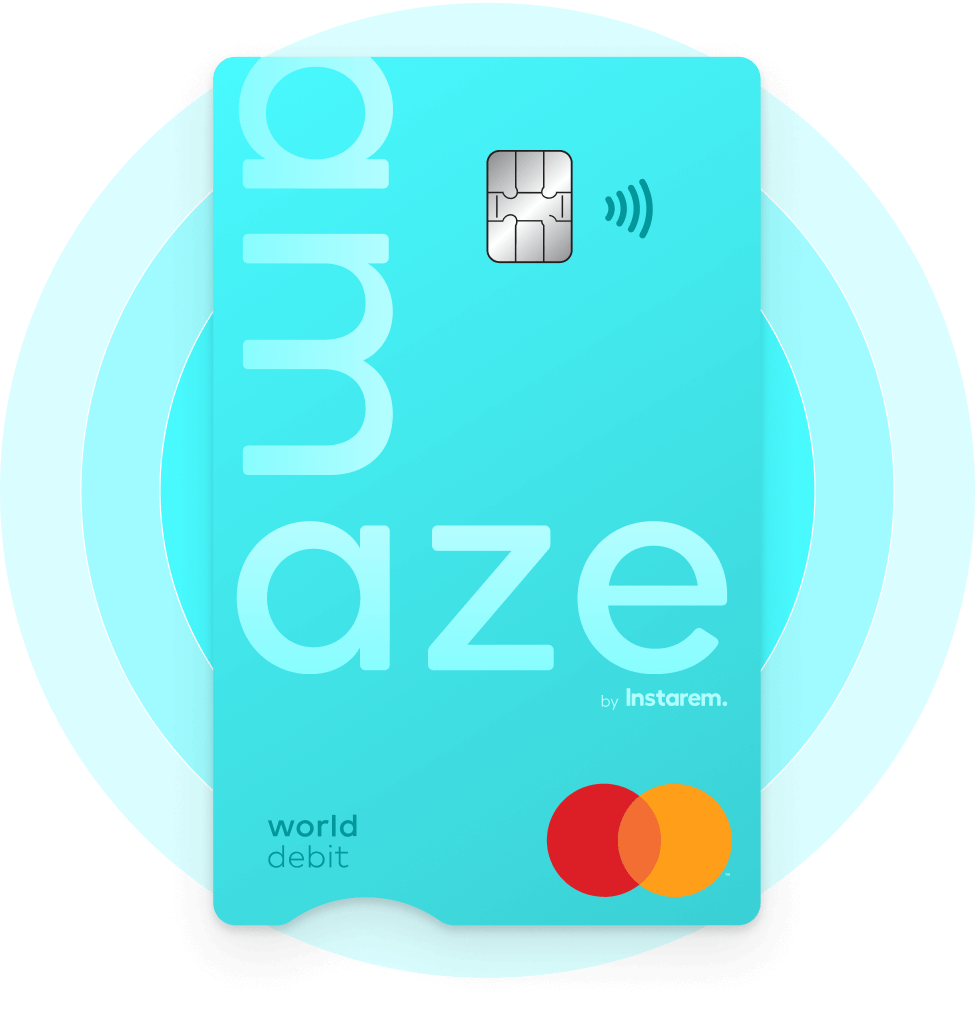
You will also enjoy fantastic FX rates, earn air miles just by linking your card or wallet. This will save you a lot of money on purchases, and it’s also a good backup in case you lose your wallet.
Keep an emergency fund with you
Speaking of losing your wallet, don’t forget to keep some cash and a spare credit card in a separate place in case you lose your wallet.
Avoid ATMs in popular places
A piece of advice, try to avoid using ATMs in city centres and around tourist attractions. You don’t want to be a fresh target for thieves.
Sometimes it’s about investing in what’s important
Traveling on a budget is often seen as a necessary evil but there are some benefits to beginning your travels on the cheap.
Things may not go the way you plan and you may have to spend a night in a less-than-ideal hotel or take a bus instead of a taxi.
There will also be times when travel cheap isn’t worth it. If you’re tired, hungry, and stressed out, spending a little extra for a better hotel or meal can make all the difference.
Don’t leave your health to chance
No one likes to think about getting sick while on vacation, but it’s important to be prepared.
Travel insurance is a necessity
If you google the horror travel stories, you will know how important travel insurance is. Travel insurance help to cover you for the activities you’ll be doing and the places you’ll be visiting. This will give you peace of mind in case of any medical emergencies. Unless your idea of solo travel adventure is a trip to an overseas hospital.
Bring your own medications
It’s also a good idea to pack a travel first-aid kit with items like bandages, painkillers, and diarrhoea medication.
Get vaccinations
Don’t forget to also get all the necessary vaccinations for your destination before you go.
Choose accommodation that makes you feel comfortable
Many solo travel guides recommend hostels and for good reason. They’re social, affordable, and a great way to meet locals and other like minded travelers.
But hostels aren’t for everyone.
Your accommodation choice depends on your comfort level, budget, destination, and travel style. In some cities, a hotel might offer extra security, privacy, and peace of mind and that’s worth paying for.
Remember, comfort isn’t just about the bed. In unexpected situations, hotels can provide support that makes a big difference.
There’s no “right” or “wrong” way to do your solo trip. Whether you choose a hostel, hotel, or luxury stay, the best option is the one that feels right for you.
Designing your social adventure (combating loneliness)
“Solo” doesn’t have to mean “solitary.” One of the joys of traveling alone is choosing exactly how much social interaction you want.
Start with a tour package
Solo travel doesn’t mean you have to land in a foreign country and figure everything out on your own especially if it’s your first time traveling solo.
A tour package can be a great way to ease into first solo travel. Your accommodation, transport, attractions, and even meals are usually taken care of. Your only job? Show up and follow the guide.
The bonus? You’ll be seeing the same faces for a few days, which makes it much easier to strike up conversations and make friends. It takes away a lot of the anxiety that first-time solo travelers often feel.
And nope, guided tour packages aren’t just those “7 days, 5 cities” whirlwind trips.
They can also be yoga or wellness retreats in Koh Samui, or surfing camps in Bali. These experiences are often more personalised and centred around a shared interest, so you get adventure and connection without being pushed too far out of your comfort zone.
Alternatively, you can opt for a flexible social route. This route will allow you to get more independence but with bursts of connection.
Sign up for programs – cooking classes, yoga and more
Want to try Muay Thai in Bangkok? Take a yoga class in Bali? Join a cooking workshop?
Classes give your trip structure, help you interact naturally with others, and let you pick up a new skill along the way. It’s one of the easiest ways to meet people without forcing conversations.
And who knows, you might leave with other solo travelers who share the same interests.
Hire a tour guide (on your own terms)
If tour groups aren’t your thing, that’s okay too.
You can hire a local guide for just a few hours or a couple of days. From private walking tours to local food trails or nature hikes, this gives you structure without locking you into a group for the entire trip.
Some tours are one-on-one, others are small groups where you meet people briefly, then go your separate ways. It’s the perfect balance between human interaction and personal space.
You get to explore at your own pace, without feeling like you haven’t spoken to another human in days.
And if you are super independent, you can try meeting people your own way.
Be your own company, live like a local
One of the best ways to travel like a local is to stay in an Airbnb. This will give you a chance to experience a destination like a resident rather than just a tourist. You can even shop at local supermarkets and attempt to cook meals with unfamiliar ingredients.
Another great way to get off the beaten path is to take public transportation instead of taxis or tour buses. This is often cheaper and will allow you to see a destination from a different perspective. Choose hostels with common areas or guesthouses that organise events.
Or visit the national parks for a long walks and unwind.
Use technology
Just because you’re travelling by yourself doesn’t mean you have to be alone.
One of the great things about travel is that it allows you to connect with people from all over the world.
If you’re feeling homesick or lonely, reach out to friends and family back home or look for other travellers in your destination who may be feeling the same way.
You can also connect with people online before you travel to get advice and recommendations. There are many travel forums and Facebook groups where you can ask questions and meet other travellers who share your interests.
Learn key phrases and how to ask for help even with language barriers
While it’s not necessary to be fluent in the local language, learning a few key phrases will go a long way in making connections with people. Basic phrases like “hello”, “thank you”, and “excuse me” in the local language will help you get by in day-to-day situations and make new friends!
Learning how to ask for help in a common language is probably one of the most important travel tips for solo travellers.
It’s important to know how to ask for help if you need it. This can be difficult for people who are used to being independent, but it’s an important skill to have when travelling alone.
If you’re ever in a situation where you feel unsafe or uncomfortable, don’t be afraid to ask for help from a nearby hotel staff member, police officer, or even a stranger.
In most cases, people can be incredibly friendly and be more than happy to help a fellow traveller in need.
On-the-ground mindset and safety (Your daily guide)
Now that you have arrive for your first solo trip, it’s time to look through your bucket list for some food, fun and adventure. But before you get excited, here are some solo travel tips to avoid burn out.
Plan but don’t over plan
When you’re planning a trip, it’s important to have an idea of what you want to do and see. This will help you make the most of your time in a new place. Plus, help you save time and skip the touristy crowd at popular destinations.
But don’t get too caught up in the details! It’s also important to leave room for spontaneity or emergency. Go with the flow and wander off to places and scenery that interest you.
After all, one of the best parts of travel is the unexpected things you may discover along the way.
Worried about being lost? Don’t worry. Having Google Maps at hand should help you get back to a safe spot.
Slow down when you need to
There’s no need to try, see and do everything when you travel. It’s okay to take your time and go at a slower pace.
This is especially important if you’re introverted or tend to get overwhelmed easily.
If you find yourself getting tired or stressed, take a break and come back to sightseeing later.
It’s also perfectly acceptable to spend an entire day doing nothing but relaxing at your hotel or apartment.
Don’t forget to get enough sleep when you travel so that you can enjoy your vacation and avoid getting sick.
If you have trouble sleeping in unfamiliar places, make sure to bring along a travel pillow, eye mask and earplugs.
PS: It’s also a good idea to have a book, Kindle, or Audible device with you when you travel.
Whether you’re traveling by plane, train, or automobile, there’s always going to be some time when you’re just sitting there with nothing to do.
Listen to your needs
If you’re tired, rest. If you’re lonely, seek out a social setting. If you’re overwhelmed, return to your accommodation. This trip is entirely on your terms.
Safety above everything else
When it comes to travel, solo or otherwise, your safety should always be your number one priority.
Before you travel, do some research on the destination and make sure you’re aware of any potential safety concerns.
When you’re at your destination, pay attention to your surroundings and trust your gut if something doesn’t feel right. Know the emergency numbers for the country you’re in and don’t be afraid to use them if necessary.
Find out where your embassy or consulate is located and keep their contact information handy in case of an emergency.
Special tips for solo female travelers
Women often seek specific advice for solo travel not because they’re less capable, but because they face different realities on the road.
In many countries, women are more likely to encounter unwanted attention, boundary-testing behaviour, or cultural expectations around dress and movement that don’t apply equally to men. Everyday situations—like taking transport at night, choosing accommodation, or interacting with strangers can carry different risks and require more awareness.
Tailored advice helps solo female travellers anticipate these dynamics, set clear boundaries, and move through the world with greater confidence while still enjoying the freedom and independence that make solo travel so rewarding.
Plan with intention
For solo female travellers, careful planning goes a long way.
Take note of cultural differences, local customs, dress norms, and neighbourhood safety before you arrive. Choose accommodations with strong reviews, good security, and convenient locations close to transport or major attractions. The more informed you are, the more confident you’ll feel once you’re on the ground.
Share smartly, not openly
Let someone you trust know your itinerary and check in regularly. At the same time, avoid oversharing personal details, accommodation info, or real-time locations especially with strangers or on social media.
Trust your instincts. If a situation feels off, remove yourself without hesitation. Keep valuables separated and secure, use reputable transport options (particularly at night), and learn a few key local phrases to ask for help if needed.
Above all, remember this: confidence, awareness, and firm boundaries are often your strongest safety tools.
It’s always better to be safe than sorry.
Remember: It’s normal to doubt
It’s completely normal to question your decision to travel alone, especially in the first day or two. You might even have moments where you feel like giving up and heading home.
That doesn’t mean you’ve made the wrong choice.
Fear is part of the adjustment process. Don’t let it stop you from experiencing something incredible. With preparation, awareness, and a bit of self-compassion, solo travel can become one of the most empowering experiences of your life.
Frequently asked questions
Is solo travel a good idea?
Absolutely. It offers unparalleled freedom and flexibility to travel at your own pace. With thoughtful planning, it can be incredibly safe and deeply fulfilling.
Is solo travel lonely?
Probably just the beginning. Loneliness can happen, but it’s not a given and it’s often temporary. By using the social strategies above, you can find connection when you want it. Equally, solo time can become precious solitude for reflection and independence.
Which country is best for solo travelers?
Countries consistently ranked high for safety, infrastructure, and traveler-friendliness (like Japan, Iceland, Singapore, or New Zealand) are excellent starting points. Always research specific cities as well.
What are common solo travel mistakes?
The biggest mistakes are overplanning every minute, ignoring safety basics (like insurance), keeping all money in one place, and pushing yourself to the point of burnout. The key is to find a balance between preparedness and flexibility.